

Una vacanza invernale in montagna regala la gioia del movimento, dell’aria fresca e di un meritato riposo. Tuttavia, la combinazione di sforzo fisico, gelo e sbalzi di temperatura può mettere a dura prova il sistema immunitario e aumentare il rischio di prendere un raffreddore. Ecco perché abbiamo preparato una panoramica di cinque integratori che potete utilizzare come pratico “pronto soccorso” non solo in montagna, per sostenere le difese immunitarie e l’energia durante le giornate invernali.
Cosa imparerà leggendo questo articolo?
Cosa mettere nello zaino come misura preventiva e per il primo soccorso immediato

Vitamina D3+K2
La vitamina D è assolutamente fondamentale per l'attivazione dei linfociti T (unità d'élite del nostro sistema immunitario responsabili dell'identificazione e della distruzione delle cellule infettate da virus). Gli studi suggeriscono inoltre che un livello ottimale di vitamina D3 sia correlato a una maggiore forza muscolare e a una migliore coordinazione [1], il che potrebbe ridurre il rischio di infortuni sulle piste.
La combinazione di vitamina D3 e vitamina K2 agisce in modo sinergico. La vitamina D3 aumenta l'assorbimento del calcio dall'intestino nel flusso sanguigno, ma senza la vitamina K2 sussiste il rischio che il calcio si depositi nei tessuti molli. La vitamina K2 garantisce che il calcio venga indirizzato dove deve andare: nelle ossa, non nei vasi sanguigni.

Zinco
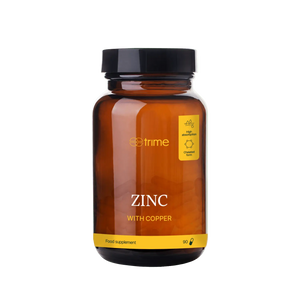
Lo zinco rappresenta un "primo soccorso" essenziale nel kit da viaggio in montagna all'insorgere di un raffreddore. Questo minerale contribuisce allo sviluppo e alla funzione dei neutrofili e delle cellule NK, che costituiscono una linea di difesa non specifica, e mostra anche effetti antivirali. Per ottenere il massimo beneficio ai primi segni di un'infezione virale (mal di gola, stanchezza), lo zinco dovrebbe essere assunto il prima possibile, idealmente entro 24 ore. Gli studi dimostrano una durata più breve della malattia e una minore gravità dei sintomi in questi casi. [2]
Durante il soggiorno in montagna, le mucose respiratorie sono esposte all'aria secca, che ne compromette la naturale funzione di barriera. Lo zinco contribuisce inoltre a mantenere l'integrità delle mucose e favorisce una più rapida guarigione delle stesse.

Vitamina C
Il fabbisogno di vitamina C dell’organismo aumenta significativamente durante le infezioni a causa della maggiore attività metabolica delle cellule immunitarie. I globuli bianchi utilizzano la vitamina C come scudo contro lo stress ossidativo, che essi stessi generano quando distruggono batteri e virus. L’integrazione di vitamina C in montagna può quindi aiutare a mantenere questi “difensori” pienamente funzionanti. La vitamina C è inoltre essenziale per la sintesi del collagene, una proteina che costituisce la base strutturale di tendini, legamenti e cartilagine articolare, che durante la pratica dello sci sono esposti a un enorme stress meccanico.
Noi di Trime offriamo una fonte completa di vitamina C sotto forma di acerola. La nostra acerola è costituita esclusivamente da polvere liofilizzata di ciliegie di acerola biologiche , che, oltre alla vitamina C, contengono naturalmente altre vitamine, minerali e bioflavonoidi che influenzano la biodisponibilità della vitamina C e favoriscono la salute generale.

Beta-glucani
I beta-glucani sono polisaccaridi complessi ottenuti, ad esempio, dal lievito o dai funghi e fungono da cosiddetti biomodulatori. A differenza delle sostanze che stimolano direttamente il sistema immunitario, i beta-glucani lo “allenano”. Le molecole di beta-glucani si legano ai recettori presenti sui macrofagi e su altre cellule immunitarie nell’intestino tenue. Questa interazione induce cambiamenti epigenetici nelle cellule immunitarie, grazie ai quali il sistema immunitario è in grado di rispondere molto più rapidamente e con maggiore intensità quando incontra effettivamente un agente patogeno. Per ottenere il massimo effetto, si raccomanda di iniziare ad assumere i beta-glucani 2–3 settimane prima di recarsi in montagna.

Echinacea
L'echinacea purpurea (Echinacea purpurea) è un'erba tradizionale la cui principale virtù risiede nella sua capacità di attivare rapidamente il sistema immunitario. L'echinacea contiene alkamidi e polisaccaridi che stimolano l'attività dei macrofagi, cellule immunitarie che fagocitano gli agenti patogeni. L'uso dell'echinacea è indicato al primo segno di debolezza, poiché contribuisce ad abbreviare la durata dei sintomi e ad attenuarne il decorso.
L'echinacea è particolarmente efficace nella prevenzione delle infezioni ricorrenti delle vie respiratorie superiori, che possono essere scatenate dall'alternanza tra il freddo e gli ambienti interni riscaldati. Tuttavia, non dovrebbe essere utilizzata per più di circa 14 giorni consecutivi, poiché il suo effetto immunostimolante diminuisce nel tempo e l'organismo si adatta ad essa. In combinazione con lo zinco e la vitamina C, forma una combinazione ideale per arrestare rapidamente una malattia in fase iniziale.
Conclusione
Il punto di forza di un kit da viaggio naturale sta nel fornire al vostro corpo gli strumenti che può utilizzare immediatamente per difendersi efficacemente prima che un'infezione si sviluppi completamente. Sia che si rafforzi la propria resistenza in anticipo con beta-glucani e vitamina D, sia che si faccia affidamento su una rapida attivazione immunitaria con zinco ed echinacea, non dimentichi di rispettare il proprio corpo e i suoi limiti. Anche gli integratori di altissima qualità funzionano al meglio in sinergia con un sonno di qualità, un'idratazione sufficiente e un riposo tempestivo. Questo è l'unico modo per assicurarsi di portare a casa splendidi ricordi dalle montagne.

Punti chiave
D3+K2 per una base solida: la vitamina D3 combinata con la K2 è essenziale per il corretto funzionamento dei linfociti T e per la salute delle ossa, che sono sottoposte a maggiore sollecitazione sulle piste.
Lo zinco come rimedio d'emergenza: al primo segno di mal di gola, inizi ad assumere zinco. Se assunto entro 24 ore, può contribuire ad abbreviare la durata della malattia.
La vitamina C (ad esempio, derivata dall'acerola biologica) sostiene i globuli bianchi e funge da scudo contro lo stress ossidativo.
Rafforzate il vostro sistema immunitario in anticipo: si consiglia di iniziare l'assunzione di beta-glucani 2-3 settimane prima della partenza, in modo che le vostre cellule siano preparate allo sforzo.
Sfruttate il potere delle erbe: l'echinacea è ideale per un "risveglio" immunitario intensivo e di breve durata durante i primi giorni di debolezza.
Fonti:
[1] Shuler FD, Wingate MK, Moore GH, Giangarra C. Benefici della vitamina D per la salute nello sport. Sports Health. Novembre 2012; 4(6):496-501. doi: 10.1177/1941738112461621. PMID: 24179588; PMCID: PMC3497950.
[2] Hemilä H, Fitzgerald JT, Petrus EJ, Prasad A. Le pastiglie di acetato di zinco possono migliorare il tasso di guarigione dei pazienti affetti da raffreddore comune: una meta-analisi dei dati individuali dei pazienti. Open Forum Infect Dis. 3 aprile 2017; 4(2):ofx059. doi: 10.1093/ofid/ofx059. PMID: 28480298; PMCID: PMC5410113.


